
🚗 The 10 Highest-Mileage Cars Ever – With Detailed Engine & Manufacturing Information
- 3 minutes ago
- 2 min read
Below is a deeper technical look at the most famous ultra-high-mileage cars in history, including engine type, displacement, fuel system, and country of manufacture.
🥇 1. Volvo P1800

Record: 3.26+ million milesEngine: Volvo B18
1.8L inline-4
Naturally aspirated
Cast iron block & head
Carburetor fuel system
~100 hpTransmission: 4-speed manualCountry of Manufacture: Sweden (early production also assembled in UK)
🔧 Why it lasted: Thick cast-iron construction, low compression ratio, simple carburetion, frequent oil changes.
🥈 2. Mercedes-Benz 240D

Record: 2.85+ million milesEngine: OM616
2.4L inline-4 diesel
Naturally aspirated
Mechanical inline injection pump (Bosch)
Cast iron block
~65–72 hpCountry: Germany
🔧 Why it lasted: Fully mechanical diesel system, no electronics, extremely overbuilt internals.
🥉 3. Volkswagen Beetle
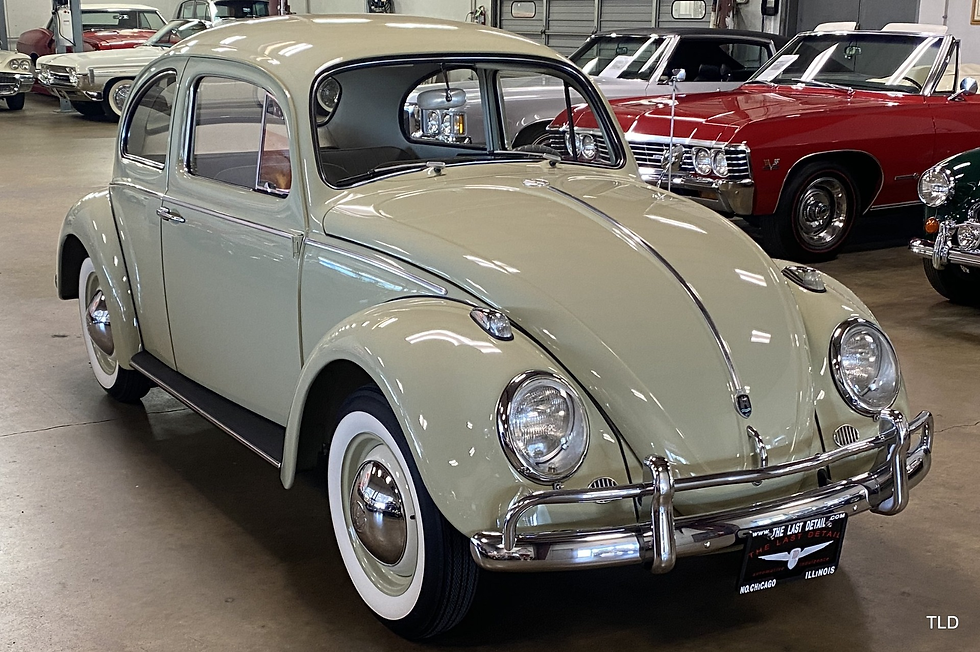
Record: 1.6+ million milesEngine: Air-cooled flat-4
1.2–1.6L
Rear-mounted
Carbureted
Aluminum crankcaseCountry: Germany (also Brazil & Mexico production)
🔧 Why it lasted: Air cooling (no radiator failure), simple design, easy repairs.
4. Toyota Land Cruiser

Record: 1+ million miles (multiple examples)Engine (Diesel 1HD-T):
4.2L inline-6 turbo diesel
Direct injection
Cast iron block
~165 hpCountry: Japan
🔧 Why it lasted: Heavy-duty design for mining, desert, and Arctic use.
5. Honda Accord
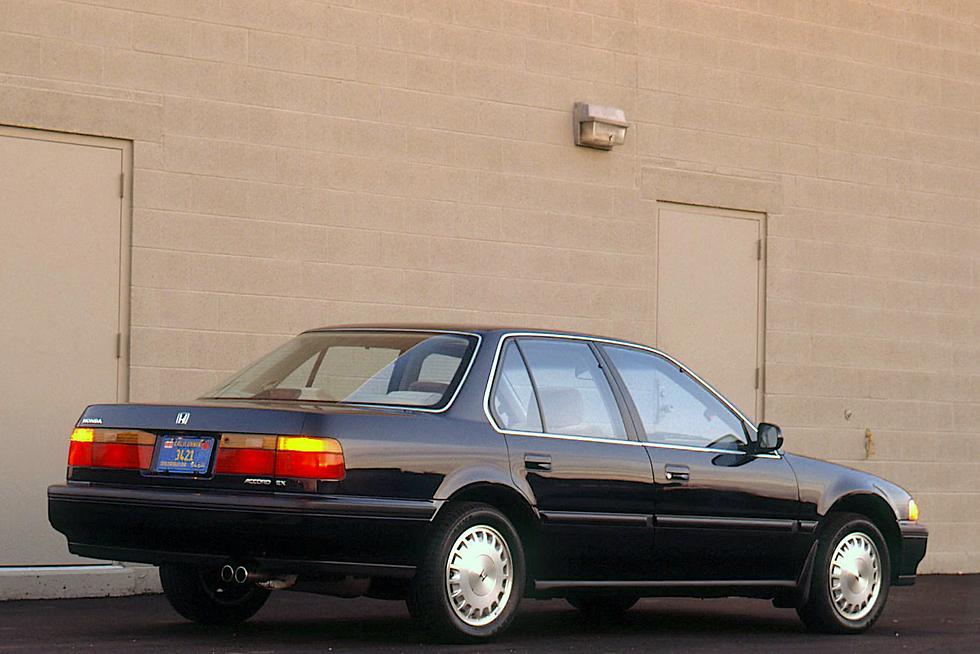
Record: 1+ million milesEngine: F22 series
2.2L inline-4
Aluminum head
Fuel injection
~130 hpCountry: Japan / USA
🔧 Why it lasted: Balanced engineering, low stress RPM, reliable fuel injection.
6. Saab 900
Engine: B201/B202
2.0L inline-4
Turbocharged (low boost)
Cast iron blockCountry: Sweden
🔧 Built for Scandinavian winters.
7. Chevrolet Silverado
Engine: 5.3L V8 (LS series)
Aluminum or iron block (varies)
Fuel injected
~285–315 hpCountry: USA
🔧 LS engines are known for durability and simple pushrod design.
8. Ford F-150

Engine (300 I6):
4.9L inline-6
Naturally aspirated
Cast iron blockCountry: USA
🔧 Extremely low-revving torque engine, very long life.
9. Toyota Corolla

Engine: 4A-FE
1.6L inline-4
DOHC
Fuel injectionCountry: Japan
🔧 Lightweight engine, simple timing belt system.
10. Volvo 240

Engine: B230 “Redblock”
2.3L inline-4
Cast iron block
Fuel injectionCountry: Sweden
🔧 One of the most durable European engines ever built.
🔬 Technical Pattern Observed
Most million-mile cars share:
Feature | Common Trait |
Engine Material | Cast iron block |
Aspiration | Naturally aspirated |
Fuel System | Mechanical injection or simple EFI |
Electronics | Minimal |
RPM Range | Low operating RPM |
Era | 1970s–1990s |


Comments